Why Diploma in Radiography Technician (DRT) from ITM University

Diploma in Radiography Technician (DRT) is a career-oriented diploma program designed to provide students with fundamental knowledge and practical skills in medical imaging, radiographic procedures, and diagnostic healthcare services. The program prepares students to work efficiently in radiology departments by developing competence in operating imaging equipment, assisting in diagnostic procedures, and ensuring patient safety during radiographic examinations. It is an excellent choice for students interested in medical imaging technology, radiology sciences, and healthcare diagnostics.

At ITM University, the DRT program combines strong theoretical learning with extensive practical training to ensure students gain hands-on experience in real clinical environments. The curriculum includes core subjects such as Human Anatomy and Physiology, Radiographic Techniques, Radiation Physics, Imaging Technology, Patient Care, and Radiation Protection, enabling students to understand diagnostic imaging procedures used in modern healthcare systems.

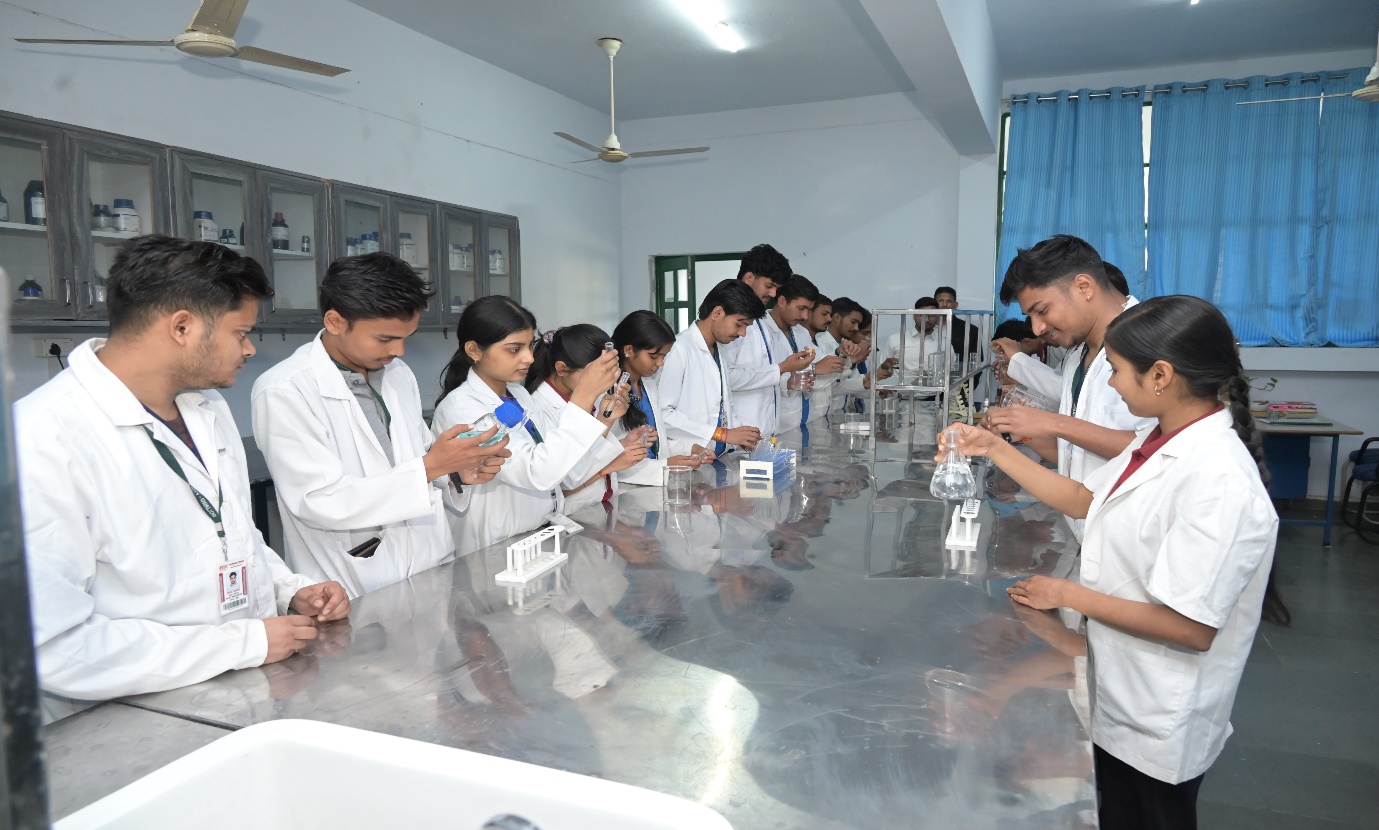
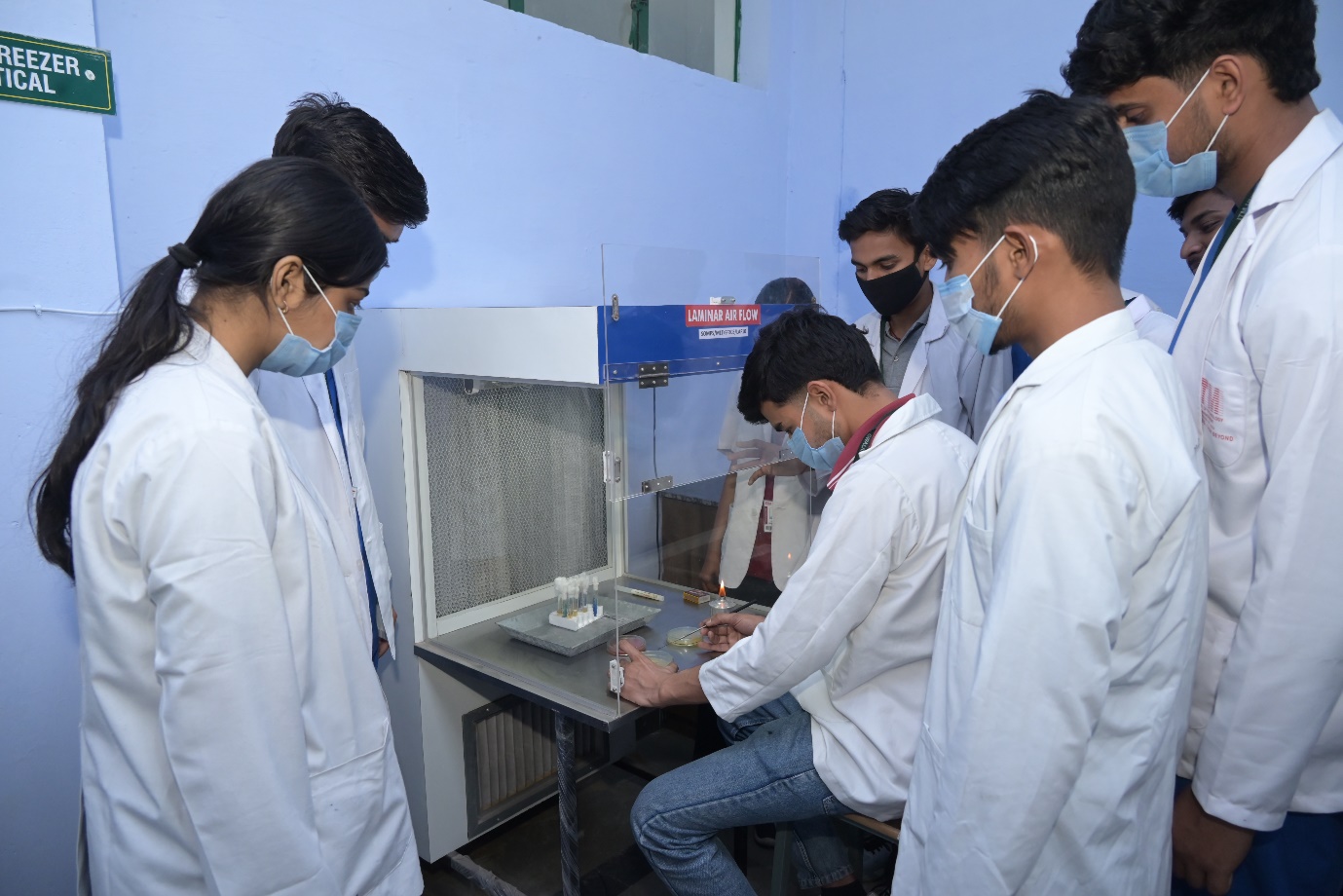
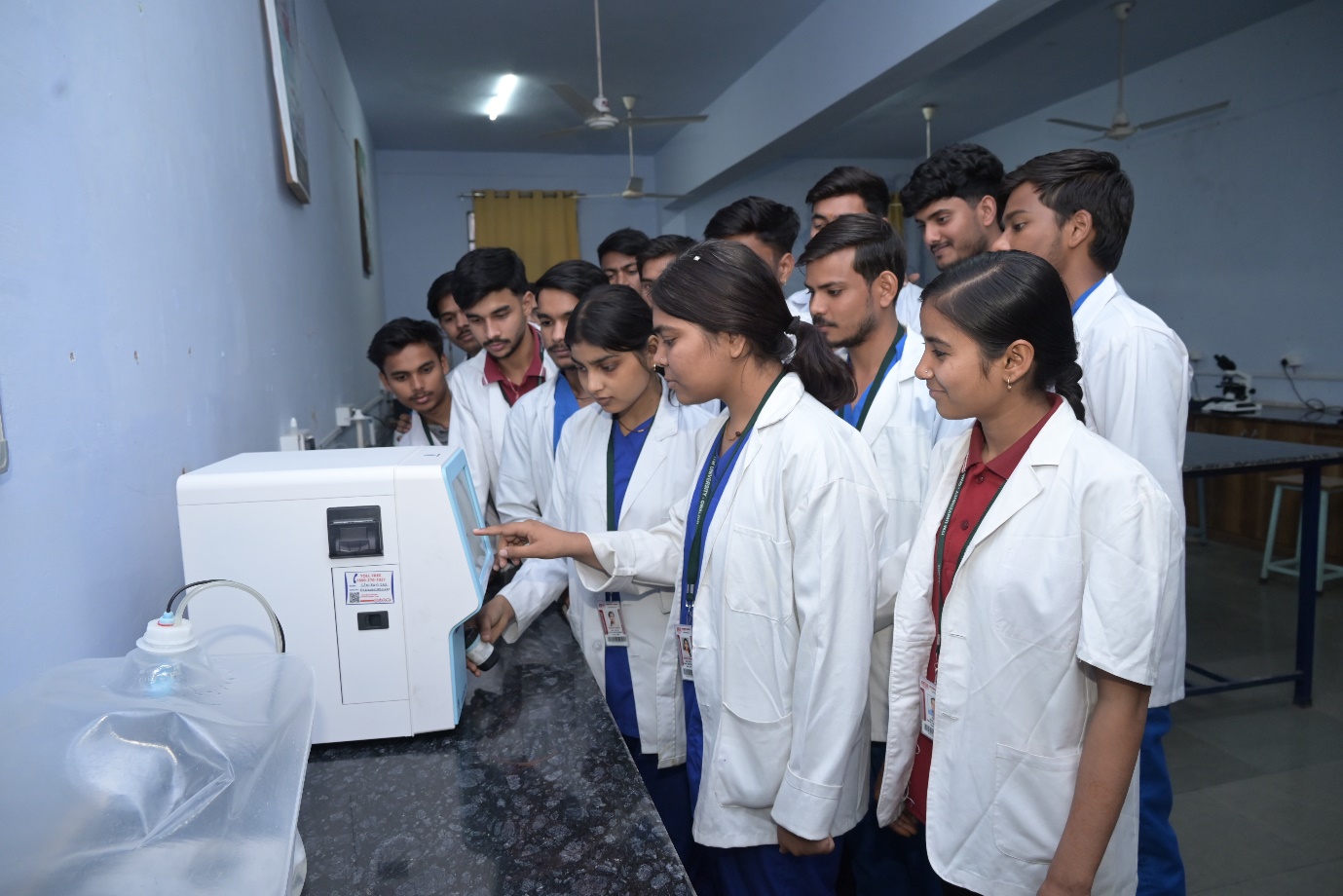
The program focuses on skill-based education, radiation safety measures, patient positioning techniques, equipment handling, image processing, and quality assurance practices in radiology services. Students receive practical exposure through laboratory sessions, hospital-based radiology training, clinical postings, and internship programs, enhancing their technical expertise, professional ethics, and employability in the healthcare sector.

The DXRT program at ITM University also emphasizes communication skills, teamwork, analytical thinking, and professional development, preparing students to meet the increasing demand for skilled radiology technicians in hospitals, diagnostic imaging centres, trauma care units, and healthcare institutions.

After successful completion of the program, graduates can pursue rewarding career opportunities as X-ray technicians, radiology assistants, imaging technicians, CT scan assistants, and diagnostic imaging professionals in both government and private healthcare sectors. As per the National Education Policy (NEP) 2020, students may also continue higher education pathways such as Bachelor’s programs in Radiology and Imaging Technology or other allied health science programs in India or abroad, supporting long-term academic and professional advancement in the healthcare field.

Project-Based Learning:

Participate in imaging-based case studies, radiographic procedure demonstrations, and skill-oriented projects that help students develop technical proficiency, diagnostic understanding, and practical problem-solving abilities in radiology and imaging technology.

Integrated Theory and Practice:

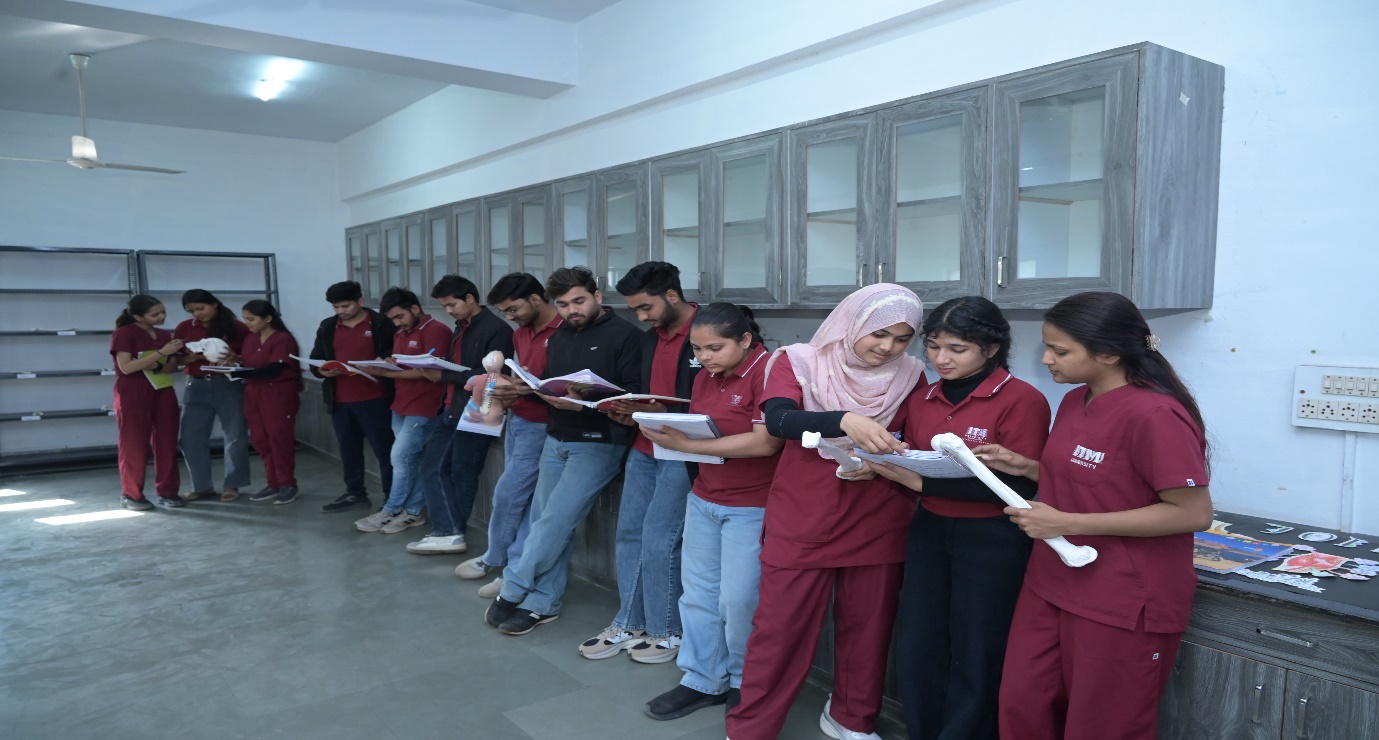
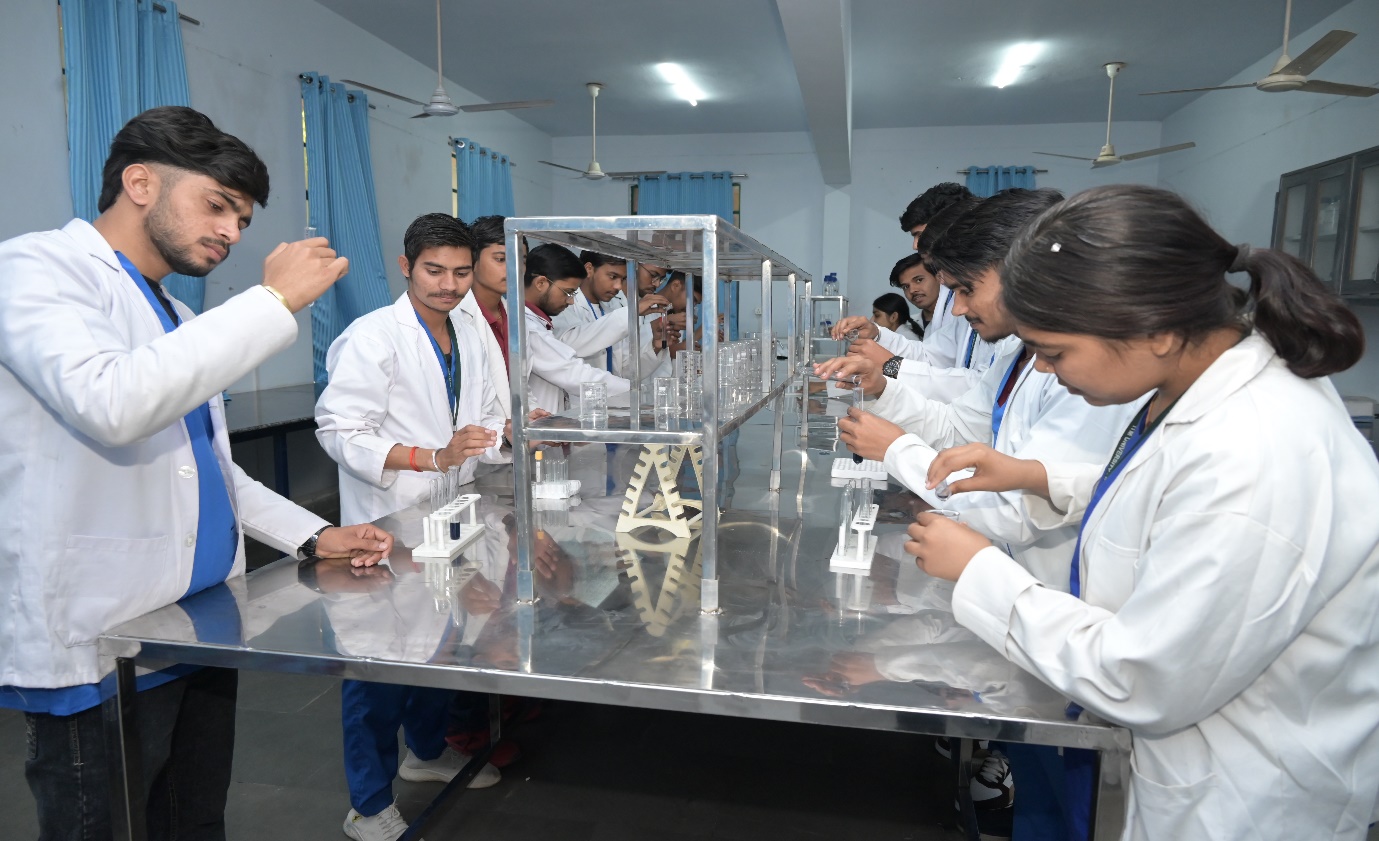
Gain hands-on experience through radiographic laboratory sessions, hospital-based clinical training, diagnostic imaging demonstrations, and practical exposure to X-ray and basic imaging equipment used in healthcare settings.

Flexible Learning Paths:

Enhance professional competencies through short-term certificate courses and training modules in areas such as radiographic positioning, radiation safety, imaging techniques, patient care, CT scan assistance, equipment handling, and quality assurance through blended learning approaches.

Holistic Development:

Participate in health awareness programs, radiology workshops, seminars, hospital activities, and co-curricular events that strengthen communication skills, teamwork, ethical practices, discipline, patient interaction, and professional values essential for radiology technicians and healthcare professionals.

About the Diploma in Radiography Technician (DRT)

The Diploma in Radiography Technician (DRT) program at ITM University is designed to provide students with fundamental knowledge and practical skills required in the field of radiology and diagnostic imaging sciences. This professional diploma course builds a strong foundation in subjects such as Human Anatomy and Physiology, Radiation Physics, Radiographic Techniques, Imaging Technology, Patient Care, and Radiation Protection, enabling students to assist in diagnostic imaging procedures that support disease diagnosis, treatment planning, and preventive healthcare services.

The program focuses on developing students’ practical competence in operating radiographic equipment, patient positioning, image processing, radiation safety measures, and quality assurance practices followed in modern radiology departments. Students gain hands-on training in routine imaging procedures and develop an understanding of professional ethics, patient safety, and healthcare protocols essential in diagnostic imaging services.

In addition to preparing students for entry-level careers in radiology departments and diagnostic imaging centres, the course enhances technical skills, analytical abilities, and professional confidence required in healthcare services. Students also receive exposure to areas such as Conventional Radiography, Basic CT Imaging Assistance, Emergency Imaging Procedures, and Digital Imaging Techniques through practical demonstrations and hospital-based clinical training.

After successful completion of the program, students can pursue career opportunities in hospitals, diagnostic imaging centres, radiology clinics, trauma care units, mobile imaging services, and healthcare institutions. The program also provides a pathway for higher education such as Bachelor’s programs in Radiology and Imaging Technology and other allied health science programs, supporting academic growth and long-term professional development in the healthcare industry.

Duration
2 Years
Credits
N/A
Start Date
August 2026
Specializations
N/A

800+

COMPANIES

Visited To ITM University

16000+

PLACEMENTS

Opportunities (in Last 3 yrs)

₹ 45 LPA

Highest Package

Offered to the Student of ITM

₹ 6 LPA

Average Package

Offered ITM University Students

100 +

Startups

Entrepreneurship projects

Program Specific Outcomes (PSOs)
Clinical Laboratory Competence:

Graduates will demonstrate proficiency in performing clinical laboratory investigations, operating diagnostic instruments, and applying standard laboratory procedures to support accurate disease diagnosis and patient care.

Analytical Thinking and Diagnostic Skills:

Graduates will apply critical thinking, analytical reasoning, and scientific approaches in interpreting laboratory findings, troubleshooting technical issues, and ensuring reliable diagnostic outcomes.

Laboratory Safety and Quality Assurance:

Graduates will implement biosafety measures, infection control practices, and quality assurance protocols to maintain accuracy, precision, and safety in laboratory operations.

Communication and Professional Collaboration:

Graduates will exhibit effective communication and teamwork skills while collaborating with healthcare professionals, patients, and laboratory personnel to ensure efficient healthcare delivery.

Technical and Instrumentation Skills:

Graduates will demonstrate competence in handling modern laboratory equipment, automated diagnostic systems, and emerging technologies used in clinical laboratory sciences.

Ethical and Professional Practice:

Graduates will uphold professional ethics, confidentiality, integrity, and accountability while following regulatory standards and ethical principles in medical laboratory practice.

Research and Lifelong Learning:

Graduates will participate in research activities, evidence-based laboratory practices, and continuous professional development to remain updated with advancements in medical laboratory sciences and healthcare technologies.

Public Health and Preventive Healthcare Support:

Graduates will contribute to disease prevention, health screening programmes, and public health initiatives through accurate laboratory diagnostics and community healthcare support services.

Program Educational Outcomes(PEOs)
  • PEO1: To develop the students in such a way so that they can practice laboratory technicians in diagnostic services for the benefit of society.
  • PEO2: Graduates should have the desired skills in conducting various tests in a diagnostic laboratory.
  • PEO3: Capable of gaining in various branches of laboratory sciences and applying that to a successful career.
  • PEO4: Graduates will have successful careers in the MLT field or be able to successfully pursue advanced studies.
  • PEO5: A commitment to work as an integral member of the larger interprofessional health care team to improve patient and care outcomes.
Program Outcomes (POs):
The Expected Programme Outcomes on completion of BPT:
  • PO1. Should be well versed in performing basic hematological, various clinical- pathological, biochemistry, and serological tests.
  • PO2. Understand the latest concepts and techniques of medical lab technology and their applications in making the roles of medical lab technologists and microbiologists.
  • PO3. Basic knowledge of media preparation and cultural preparation. Also various Immunological tests like ELISA and PCR.
  • PO4. Understand normal ranges/values for all common hematology/biochemical parameters and their clinical significance.
  • PO5. Appropriate and successful collection of blood specimens through venipuncture and other method of sample collection.
  • PO6. Describe primary aspects of the blood bank including ABO-Rh and other common blood group systems, transfusion therapy, transfusion reactions, and hemolytic disease of the newborn.
  • PO7. Explain the principle, rationale, uses, and interpretation of routine biochemical tests for organism identification. Demonstrate proficient use of routine biochemical tests.
  • PO8. Perform routine tissue processing and freeze-drying techniques in histopathology. Perform various staining techniques to identify premalignant or malignant conditions. Pre- outline and Structure The course of study enhances student’s knowledge

Key Recruiters

capegemini logo
capegemini logo
capegemini logo
capegemini logo
capegemini logo
capegemini logo
capegemini logo
capegemini logo
capegemini logo
capegemini logo
capegemini logo
capegemini logo
capegemini logo
capegemini logo
capegemini logo
capegemini logo

Arvind Fashions is a leading player in the Indian apparel industry, known for its innovative and sustainable fashion solutions. With a diverse portfolio of brands, Arvind Fashions caters to the evolving tastes of consumers while promoting responsible fashion.

Tata Croma is India's first omnichannel electronics and appliances retailer, offering a wide range of products from leading brands. Known for its customer-centric approach, Tata Croma provides an enhanced shopping experience through both online and offline platforms.

Hector Beverages is a pioneering Indian company known for its innovative and refreshing beverage offerings, including the popular Paper Boat brand. Committed to quality and authenticity, Hector Beverages emphasizes traditional flavors and sustainable practices in its products.

ITC Limited is a diversified conglomerate with a strong presence in FMCG, hotels, paperboards, and packaging, and agribusiness sectors. Known for its commitment to sustainability and innovation, ITC strives to enhance the quality of life for communities across India.

Learning Routes is a dynamic educational platform focused on empowering learners through innovative training and skill development programs. With a commitment to excellence, Learning Routes bridges the gap between education and industry, preparing students for successful careers.

PepsiCo is a global leader in the food and beverage industry, known for its diverse portfolio of iconic brands, including Pepsi, Lay's, and Tropicana. Committed to sustainability and innovation, PepsiCo focuses on creating more sustainable food systems and reducing its environmental impact.

UpGrad is a leading online higher education platform that offers industry-relevant programs in collaboration with top universities and institutions. Focused on empowering learners, UpGrad provides flexible learning solutions to enhance skills and advance careers in a rapidly changing job market.

WNS is a global leader in business process management (BPM), delivering innovative outsourcing solutions across various industries. Known for its customer-centric approach, WNS helps organizations enhance operational efficiency and drive business growth

Industry Tie-Ups

Jaya Arogya Hospital, Gwalior
ART Centre, Gwalior

DRT Eligibility Criteria & Selection Process:

...
Eligibility
DRT

Candidate with Science who have passed the qualifying 12th standard examination (10+2) and must have obtained a minimum of 40% marks in physics, chemistry and Biology.

...
Career Prospects
DRT

CT Scan and Imaging Centres, Community Health Centres and Diagnostic Imaging Units, Diagnostic and Radiology Clinics, Emergency and Trauma Care Imaging Departments, Government and Private Hospitals, Mobile Diagnostic and Imaging Services, MRI and Advanced Imaging Assistance Units, Orthopaedic and Rehabilitation Centres, Out-patient Diagnostic Imaging Clinics, Preventive Healthcare and Health Screening Centres, Public Health and Community Diagnostic Services, Radiology and Imaging Departments, Specialized Diagnostic Imaging Laboratories, Ultrasound and Imaging Assistance Centres, Healthcare Equipment and Imaging Technology Companies, and Trauma and Emergency Care Centres.

Infrastructure

View More

Events

View More

Labs

View More
Orthopaedic
Biochemistry Lab
Sports
Pathology Lab
Neurological
Microbiology Lab
Cardiopulmonary
Haematology Lab

DRT Frequently Asked Questions

No, the DXRT (Diploma in X-Ray Radiology Technician) course cannot be pursued through distance or online mode in India. It is a professional clinical program that requires regular practical classes, laboratory training, and compulsory hospital internship.

The DXRT (Diploma in X-Ray Radiology Technician) program is 2-year diploma course depending on university regulations. It includes theoretical classes, practical laboratory training, and clinical exposure.

DXRT can work in hospitals, diagnostic Image laboratories and healthcare industries. They can also pursue higher studies such as BMRIT, B.Sc., or specialized certification courses.

Yes, the course includes extensive laboratory practicals and hospital-based clinical training. Students gain hands-on experience with modern image diagnostic equipment and procedures.

The program includes subjects such as Anatomy & Physiology, CT scan and MRI Scan, Diagnostic Radiography etc. Students also learn radiation biosafety hazard practices.

Yes, DXRT are eligible for graduate studies in medical imaging technology and allied healthcare fields. They may also build careers in advanced image diagnostic technologies.

Register here for scholarship. - Apply Now