Top Skills Required for Success in Journalism and Mass
Communication
A lot of students think journalism and mass communication are fields.
You see journalists covering events, news anchors discussing issues and social media managers
running campaigns that reach millions of people.
Journalism and mass communication feel fast-paced, creative and influential.
Honestly journalism and mass communication are like that.
What many students discover after entering journalism and mass communication is that success in
these fields is much more than speaking confidently on camera or writing a few articles.
The media industry has changed a lot over the years.
Traditional newspapers now compete with websites, blogs and social media platforms.
News travels globally within seconds.
Artificial intelligence is changing content creation in journalism and mass communication.
As a result employers today are looking for professionals who possess a combination of
communication
skills, digital expertise, creativity, research ability and strategic thinking in journalism and
mass communication.
Whether you dream of becoming a journalist, news anchor or social media manager the skills you
develop during your education can significantly influence your career growth in journalism and
mass
communication.
Why Skills Matter Than Ever
A journalism or mass communication degree provides the foundation for journalism and mass
communication.
Employers increasingly focus on what candidates can do in journalism and mass communication.
Can you write a story for journalism and mass communication?
Can you verify information before publishing it in journalism and mass communication?
Communication Skills: The Foundation of Everything in Journalism and Mass
Communication
If there is one skill that sits at the center of journalism and mass communication it's
communication in journalism and mass communication.
Media professionals communicate every day through writing, speaking and social media in
journalism and mass communication.
Writing Skills: Still the Most Valuable Asset in Journalism and Mass
Communication
Great writing never goes out of style in journalism and mass communication.
Your writing ability remains one of your assets in journalism and mass communication.
Good writing requires clarity, accuracy and simplicity in journalism and mass communication.
Research and Fact-Checking Skills in Journalism and Mass Communication
The internet provides information for journalism and mass communication.
Unfortunately not all of it is accurate for journalism and mass communication.
This is why research and fact-checking have become skills in journalism and mass communication.
Storytelling Ability in Journalism and Mass Communication
Facts are important in journalism and mass communication.
Facts alone rarely capture attention in journalism and mass communication.
Stories do capture attention in journalism and mass communication.
Digital Literacy in Journalism and Mass Communication
Journalism and mass communication have become deeply connected to technology in journalism and
mass communication.
Understanding how digital platforms function is now essential in journalism and mass
communication.
Social Media Management Skills in Journalism and Mass Communication
Social media has transformed communication in journalism and mass communication.
Today news often breaks on platforms before appearing on media channels in journalism and mass
communication.
Interviewing Skills in Journalism and Mass Communication
Interviews remain one of the tools in journalism and mass communication.
Good interviews help uncover facts and expert opinions in journalism and mass communication.
Critical Thinking and Analysis in Journalism and Mass Communication
Media professionals constantly process amounts of information in journalism and mass
communication.
Critical thinking helps professionals evaluate sources and identify bias in journalism and mass
communication.
Creativity in Journalism and Mass Communication
Creativity plays a role across journalism and mass communication.
Creative thinking helps professionals develop story ideas and create engaging content in
journalism and mass communication.
Multimedia Content Creation in Journalism and Mass Communication
Modern audiences consume content in formats in journalism and mass communication.
Professionals who can create multimedia content often have career opportunities in journalism and
mass communication.
Public Speaking and Presentation Skills in Journalism and Mass Communication
Many communication careers involve speaking to audiences in journalism and mass communication.
Strong public speaking skills improve confidence and professional effectiveness in journalism and
mass communication.
Continuous Learning in Journalism and Mass Communication
Perhaps no industry changes like the media industry in journalism and mass communication.
Successful professionals understand that learning never stops in journalism and mass
communication.
Emotional Intelligence in Journalism and Mass Communication
Media and communication careers involve interaction with people in journalism and mass
communication.
Emotional intelligence matters in journalism and mass communication.
Ethical Awareness in Journalism and Mass Communication
With information spreading faster than ever ethics remain a cornerstone of communication in
journalism and mass communication.
Time Management and Organization in Journalism and Mass Communication
Strong organizational skills help professionals meet deadlines and prioritize tasks in journalism
and mass communication.
How Students Can Develop These Skills in Journalism and Mass Communication
The good news is that most communication skills can be learned and improved in journalism and
mass communication.
Students can strengthen their abilities by reading writing consistently and following affairs in
journalism and mass communication.
- Completing internships in journalism and mass communication
- Learning tools in journalism and mass communication
experience helps you learn skills much faster than just reading theory in journalism and mass
communication.
Building These Skills at ITM University Gwalior
For students studying journalism and mass communication where you learn is really important for
developing skills in journalism and mass communication.
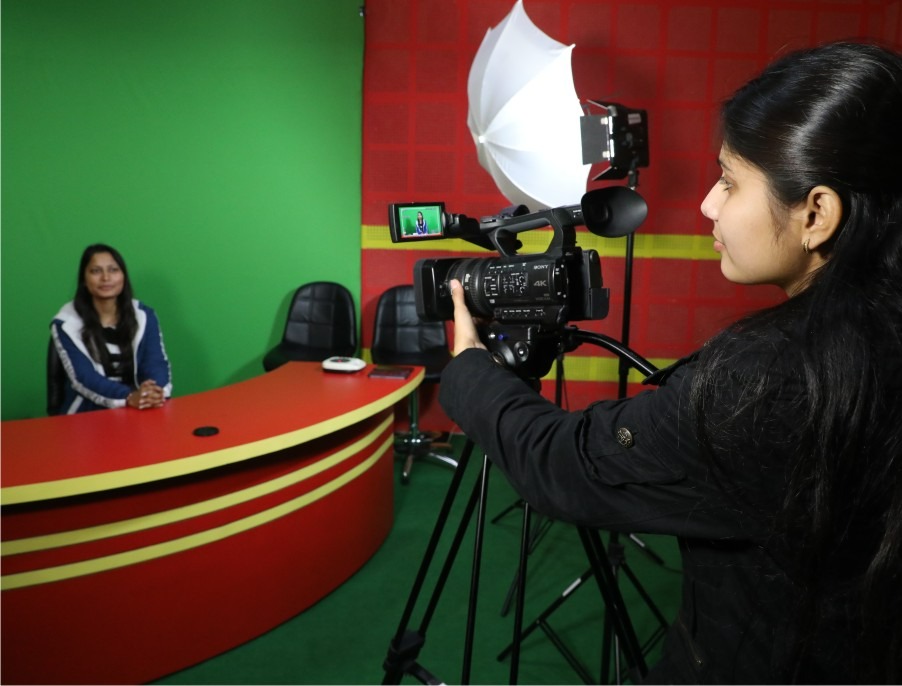
At ITM University Gwalior students learn from books. Also get hands-on experience that helps them
get better at communication, media and digital skills in journalism and mass communication.
Through activities like:
- Media projects in journalism and mass communication
- Workshops in journalism and mass communication
- Meeting people from the industry in journalism and mass communication
- Creating content exercises in journalism and mass communication
- Communication training in journalism and mass communication
- Internship opportunities in journalism and mass communication
students get to use what they learn in class in real-life situations in journalism and mass
communication.
This mix of theory and practice helps prepare graduates for what's needed in the media industries
in journalism and mass communication.
Final Thoughts
Journalism and mass communication have changed a lot. Are not just about newspapers and TV studios
anymore in journalism and mass communication.
Todays professionals work on platforms, media, in companies on multimedia channels and with new
technologies in journalism and mass communication.
Success in these fields needs more than knowing things from books in journalism and mass
communication.
You need to be good at communication, writing, research and using tools in journalism and mass
communication.
You also need to be creative, able to adapt and aware of ethics in journalism and mass
communication.
The media industry likes people who're curious keep learning and always try to improve in journalism
and mass communication.
For students thinking about a future in journalism and mass communication getting these skills early
can help you do well in the run in journalism and mass communication.
With places, like ITM University Gwalior that offer chances to learn from books and get experience
students can build the confidence, skills and experience they need to succeed in the fast-changing
world of media and communication in journalism and mass communication.
 Leadership
 Recognitions
  What Gwalior Offers
 Infrastructure
 Eligibility Criteria
 Fee Structure (2025-26)
 Scholarship Policy
 Ph.D. Notifications

.png)


