Allied Healthcare Courses After 12th: Career Options and Future Scope

I've only made the headings bold and added heading formatting where they naturally exist. The content remains unchanged.

When most people picture a career in healthcare, they tend to focus on doctors and nurses. And yeah, those are classic choices—everyone knows what they do. But the real story is bigger. Modern hospitals run on a team effort, and there’s a whole world of skilled professionals quietly holding everything together behind the scenes.

Walk through any good hospital. You’ll pass lab experts checking blood samples, technologists running MRI machines, physios helping patients get back on their feet, and surgical techs prepping the operating room. These aren’t side jobs—they’re absolutely essential. That entire network is what we call allied healthcare.

Over the last 10 years or so, this part of the medical field has exploded in size—especially in India, but honestly, it’s a global trend. We’ve seen advances in technology, rising health problems, people starting to care more about preventive check-ups, and new hospitals opening everywhere. All of this means allied health professionals are in high demand.

So, what’s the big draw for students? Maybe you love healthcare, but MBBS isn’t in your stars. Allied healthcare opens a ton of doors—real, engaging work, hands-on learning, strong job prospects, and a field that just keeps growing.

If you’re at that crossroads after 12th and the phrase “healthcare course” keeps popping up, it’s smart to dig into what allied healthcare offers—courses, career paths, and where it all leads.

Director Management

What Exactly Is Allied Healthcare?

Allied healthcare covers a range of medical jobs that support patient care—just not in the “doctor/nurse” way. These professionals work side by side with physicians, helping diagnose illnesses, running tests, using advanced tech, assisting with treatment, or guiding recovery.

They’re the people who keep the healthcare system moving smoothly. Without them, hospitals would grind to a halt.

Their roles stretch across:
  • Finding out what’s wrong (diagnosis)
  • Helping people recover (rehab)
  • Running medical imaging
  • Testing samples in labs
  • Jumping in during emergencies
  • Prepping for surgery
  • Offering nutrition advice
  • Healthcare management

And as tech becomes a bigger part of medicine, their importance just keeps climbing.


Why More Students Are Choosing Allied Healthcare

Healthcare is in flux. India’s population is climbing, people are living longer, more clinics and hospitals are opening, and the need for skilled workers just keeps growing. Plus, you can’t run a modern hospital without high-tech diagnostic machines and specialized treatments.

Students are picking allied healthcare because it gives them
  • Plenty of job options
  • Education that’s hands-on, not just theory
  • Lots of specializations to choose from
  • Jobs in both public and private sectors
  • Opportunities in India and abroad
  • Work that makes a direct difference in patients’ lives

It’s a way into the medical field that doesn’t require a traditional MBBS degree.

Allied Healthcare Courses After 12th

If you’ve finished Class 12, especially if you took science, you’ve got choices. Each program focuses on a different branch of healthcare.

Medical Laboratory Technology (MLT)

Lab professionals are the detectives of healthcare. They run tests—blood, fluids, tissue samples—to help doctors figure out what’s wrong and how to fix it. They’re in charge of:

  • Doing lab tests
  • Analyzing results
  • Running diagnostic machines
  • Keeping records up to date

Accurate results from the lab can basically make or break a diagnosis.


Radiology and Imaging Technology

This is about turning invisible problems visible. Radiology techs use X-rays, CT scans, MRIs, and ultrasound machines to give doctors a clear picture of what’s happening inside the body.

Operation Theatre Technology

OT technologists are right there in the thick of every surgery. They make sure everything’s clean and ready, keep track of instruments, and assist the surgical team—before, during, and after the operation.

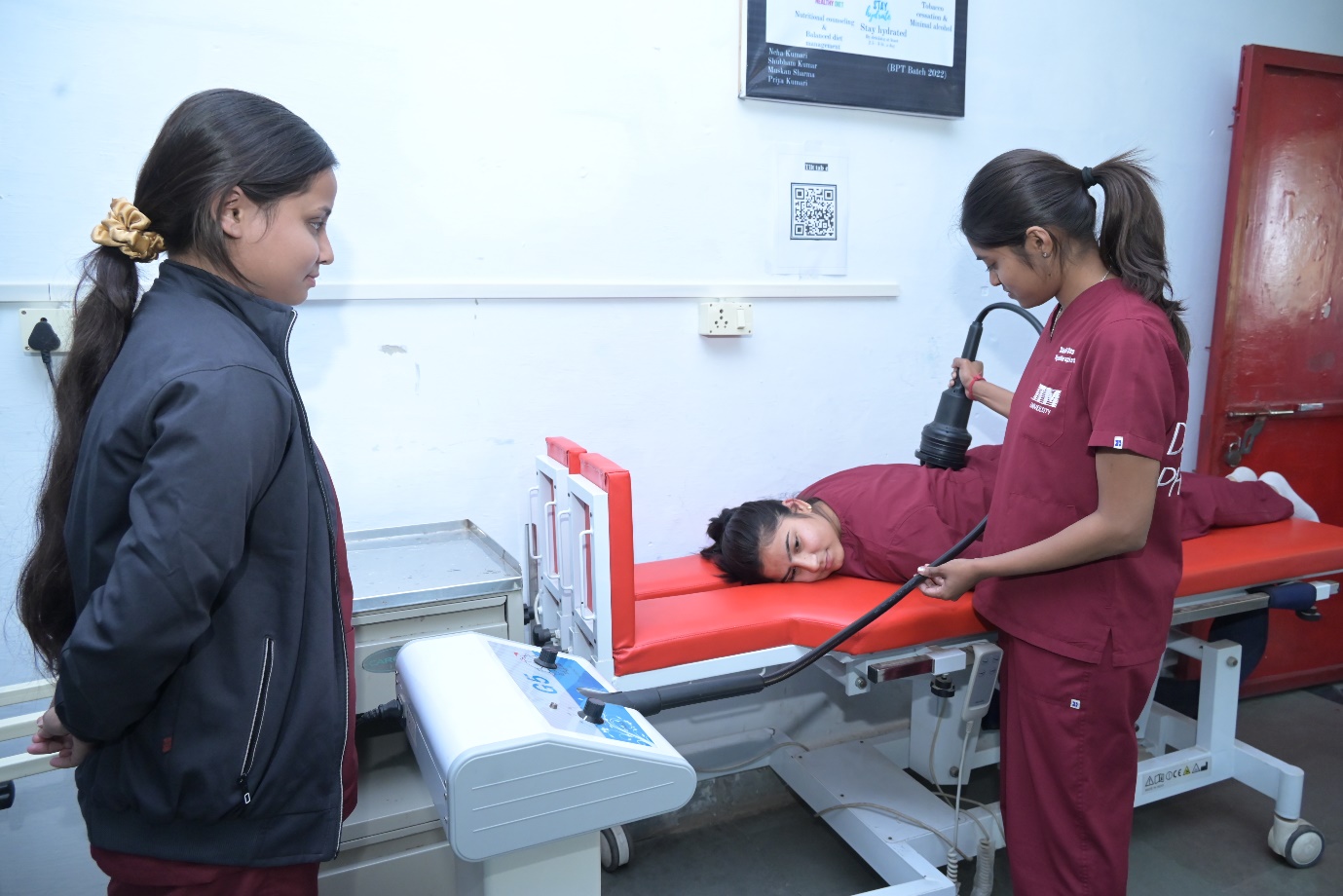
Physiotherapy

If you’ve ever been hurt, you know how important a good physio is. Physiotherapists help people regain movement after injuries, surgeries, nerve problems, or sports mishaps. There’s a bigger focus than ever on rehabilitation, which means this field is really taking off.

Emergency and Trauma Care Technology

When emergency strikes, these are the pros who jump in first. They stabilize patients, manage trauma, assist in critical care, and make split-second decisions. It’s fast, hands-on, and definitely not boring.

Optometry

Eye care is huge—and growing. Optometrists test vision, prescribe glasses or lenses, and spot eye conditions before they get worse. With everyone staring at screens these days, eye health matters more than ever.

Nutrition and Dietetics

More people are realizing that “prevention is better than cure.” Nutritionists counsel people on food choices, plan diets for patients, and help with public health work. You’ll find them in hospitals, gyms, sports centers, and wellness programs.


What Skills Really Matter?

Sure, you need to understand the science. But successful allied health professionals stand out for more than their textbook knowledge.

Attention to Detail

Mistakes aren’t an option here. You need to be careful and precise, whether you’re reading lab results or assisting with equipment.

Communication

You’ll talk to patients, doctors, nurses—all sorts of people. Clear conversations lead to better care.

Empathy and Compassion

You’ll meet patients dealing with some tough stuff. Kindness goes a long way in helping them heal.

Problem-Solving

No two days are the same. You need to think on your feet and adjust when things change.

Technical Know-How

Healthcare tech keeps evolving. Staying current is a must.


What Skills Really Matter?

Sure, you need to understand the science. But successful allied health professionals stand out for more than their textbook knowledge.

Where Can You Work?

The career options are huge:

  • Hospitals: Diagnostic services, patient care, rehab, surgery, emergencies.
  • Diagnostic labs: Running tests, supporting doctors.
  • Imaging centers: Radiology, MRI, ultrasounds.
  • Rehab centers: Physio and recovery work.
  • Public health: Government programs, awareness campaigns.
  • Research: Clinical studies, lab work, innovation.
  • Teaching: Share your expertise with the next wave of students.

Future Scope of Allied Healthcare in India

If you’re looking ahead, things look good. Here’s why:

Expanding Infrastructure

More hospitals, more clinics, more labs. More jobs for allied health pros.

Growing Public Awareness

People pay attention to health now: regular check-ups, rehab, fitness, balanced diets. Allied professionals are needed everywhere.

Tech Boom

AI, automation, new machines—healthcare’s changing fast. If you get comfortable with tech, you’ll always be in demand.

Aging Population

With more older people, rehab, diagnostics, and long-term care are all set to grow.

Opportunities Abroad

Healthcare is a global industry. Your qualifications can open doors internationally.


What About Salaries?

Paychecks depend on your specialty, skills, experience, and where you’re based. Most people start out focusing on building practical experience. Stick with it—your responsibilities and earnings grow over time. Senior pros often move into management, supervision, teaching, or consulting roles.

How to Choose the Right College

Don’t just look at the brand name. Ask about:

  • Hands-on training
  • Labs and equipment
  • Clinical exposure
  • Industry partnerships
  • Internships and placements
  • Experienced teachers

Allied health is practical, so real-world experience matters a lot.


Why Consider ITM University Gwalior?

If you’re serious about allied healthcare, take a look at what ITM University Gwalior offers. Their programs blend classroom knowledge with all the practical stuff—labs, projects, clinics, and industry-focused education. That means you graduate with the confidence to handle real hospital situations.


Should You Go for Allied Healthcare?

If anything here sparks your interest—science, hands-on work, patient care, tech-heavy jobs—maybe this is your path. Allied healthcare offers stability, meaning, and a long runway for career growth. You’re not just finding a job, you’re making a difference.


Final Thoughts

Times are changing in healthcare. It’s definitely not all about doctors and nurses anymore. There’s an entire workforce behind the scenes, making sure patients get the care they need.

With healthcare infrastructure on the rise and technology changing the game, allied healthcare pros are only becoming more critical. For students who want a future in healthcare that blends science, tech, practical work, and job security, this just might be the sweet spot.

The right college can set you up with the skills, experience, and connections to start strong in this fast-growing field. Allied healthcare isn’t just a backup plan—it’s a dynamic, rewarding career choice with a real future.

Register here for scholarship. - Apply Now