ITM University Gwalior is ranked among the best as Platinum Category Engineering Institute in India by AICTE, Ministry of HRD, Govt. of India in 2017.
T: 1800 270 0031
Email: admissions@itmuniversity.ac.in
ITM University
NH-44,BypassTurari, Jhansi Road Gwl (M.P.) 475001,(INDIA)
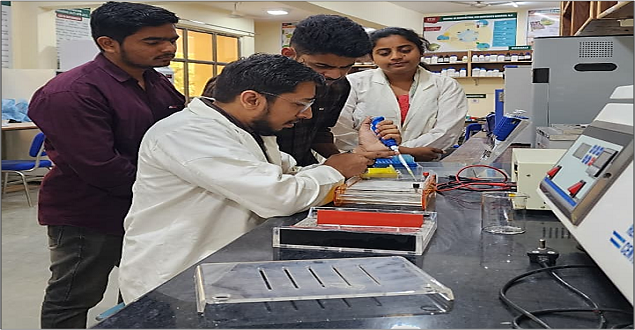
The Central Instrumentation Facility (CIF) Laboratory is a well-equipped, centralized platform designed to support academic and research activities across multiple departments established at Departmentof Genetics and Plant Breeding, School of Agriculture. It allows students and researchers to access and utilize advanced analytical instruments for their experimental work, ensuring interdisciplinary collaboration and efficient use of resources.
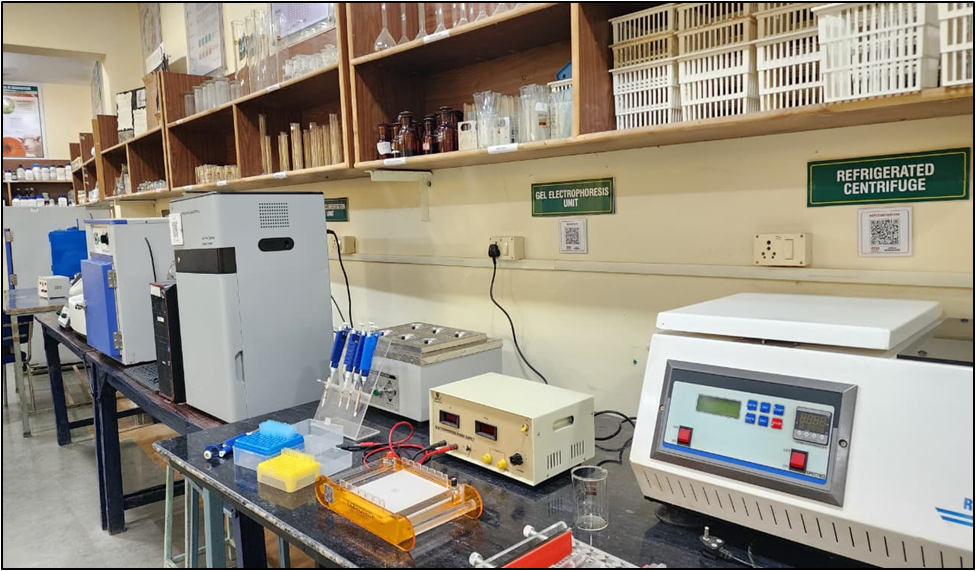
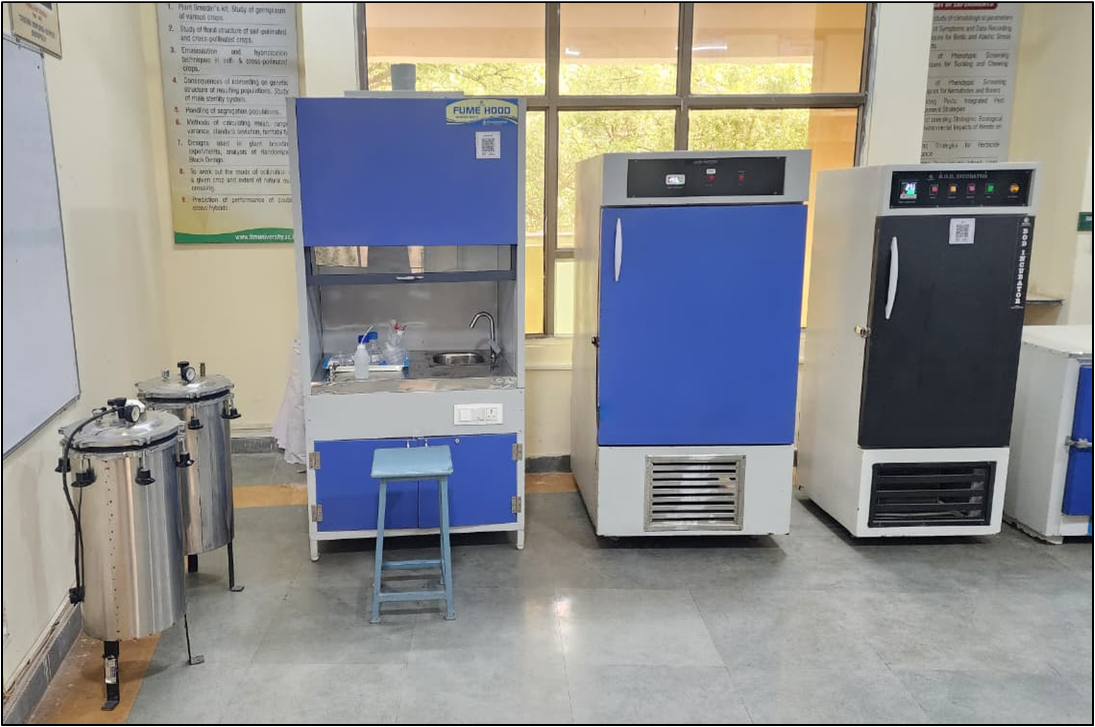
The laboratory houses several sophisticated instruments, including UV-Visible Spectrophotometer, PCR Thermocycler, BOD incubator and Gel Electrophoresis systems, which are essential for chemical, biotechnological and molecular analysis. These instruments enable precise and reliable results, supporting both routine practical work and advanced research studies.
The CIF laboratory is managed by trained technical staff that assists users in operating instruments and maintaining proper laboratory standards. Overall, it plays a vital role in enhancing the quality of education and research by providing easy access to modern scientific facilities in a professional and organized environment.
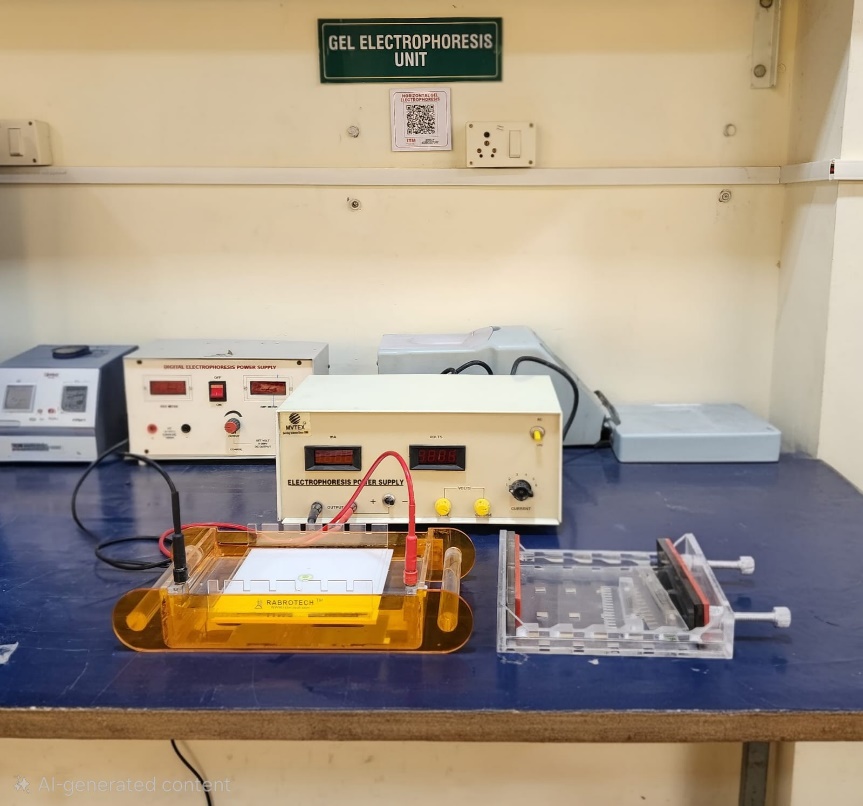
A gel electrophoresis unit is a laboratory instrument used to separate biomolecules like DNA, RNA, or proteins based on their size and charge. It consists of a gel matrix, buffer solution, electrodes, and a power supply that creates an electric field. When the current is applied, charged molecules migrate through the gel at different speeds, forming distinct bands. These bands can then be visualized and analyzed for research or diagnostic purposes.
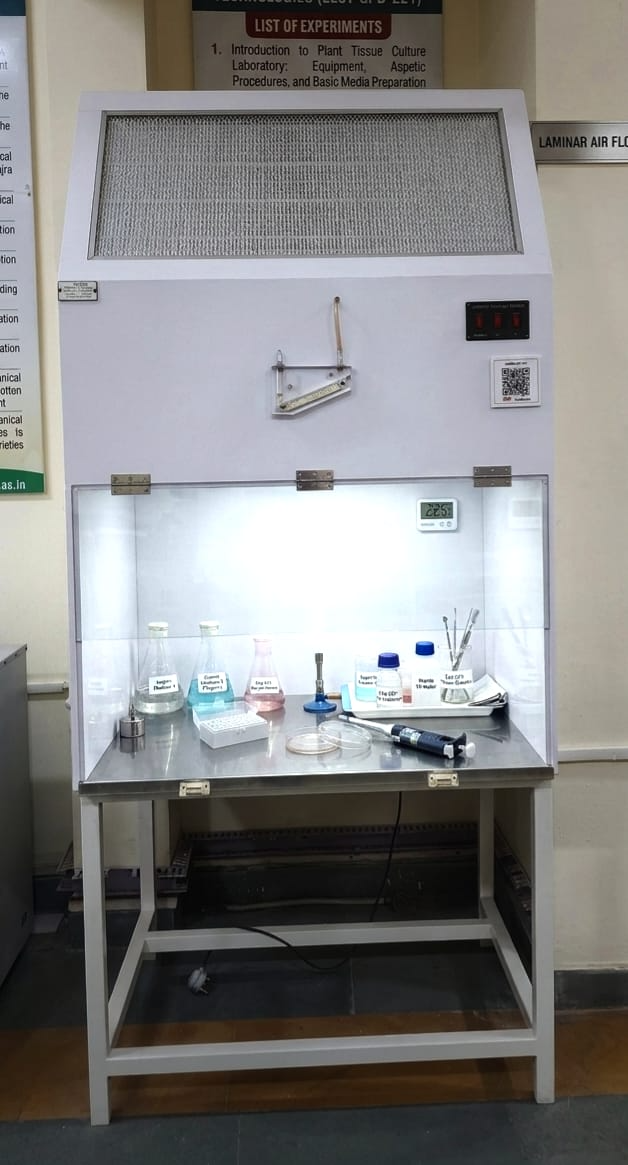
A laminar air flow unit is a laboratory device used to provide a clean, contamination-free working environment. It works by passing air through HEPA filters, which remove dust, microbes, and other particles. The filtered air flows in a uniform (laminar) direction over the work surface, preventing contamination. It is commonly used in microbiology, tissue culture, and pharmaceutical laboratories for sterile operations.
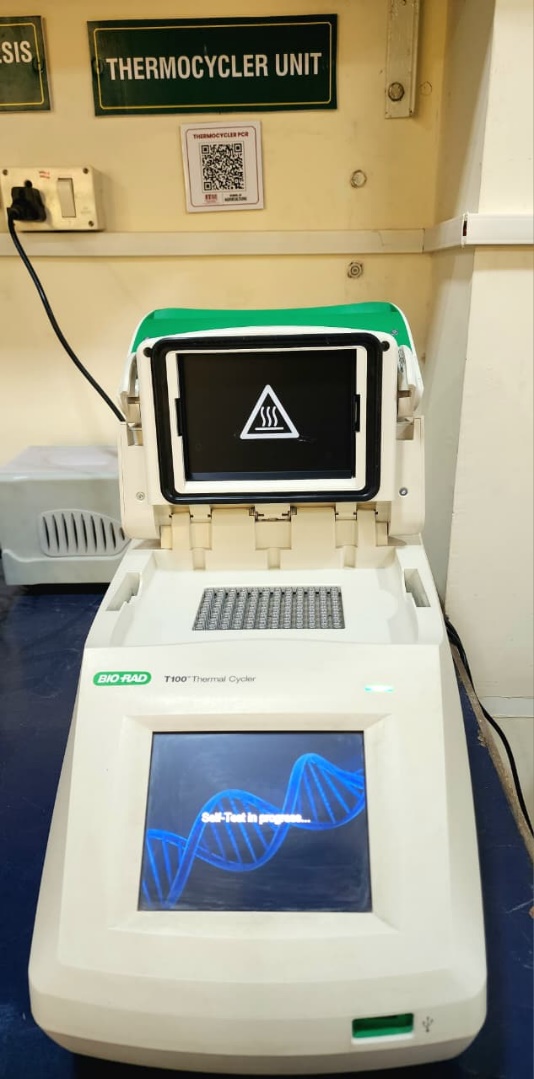
A PCR thermocycler is a laboratory instrument used to amplify DNA through the process of Polymerase Chain Reaction. It works by automatically cycling through different temperatures for denaturation, annealing, and extension steps. The device consists of a heating block, temperature control system, and a programmable interface. It is widely used in molecular biology, diagnostics, and genetic research for DNA analysis.
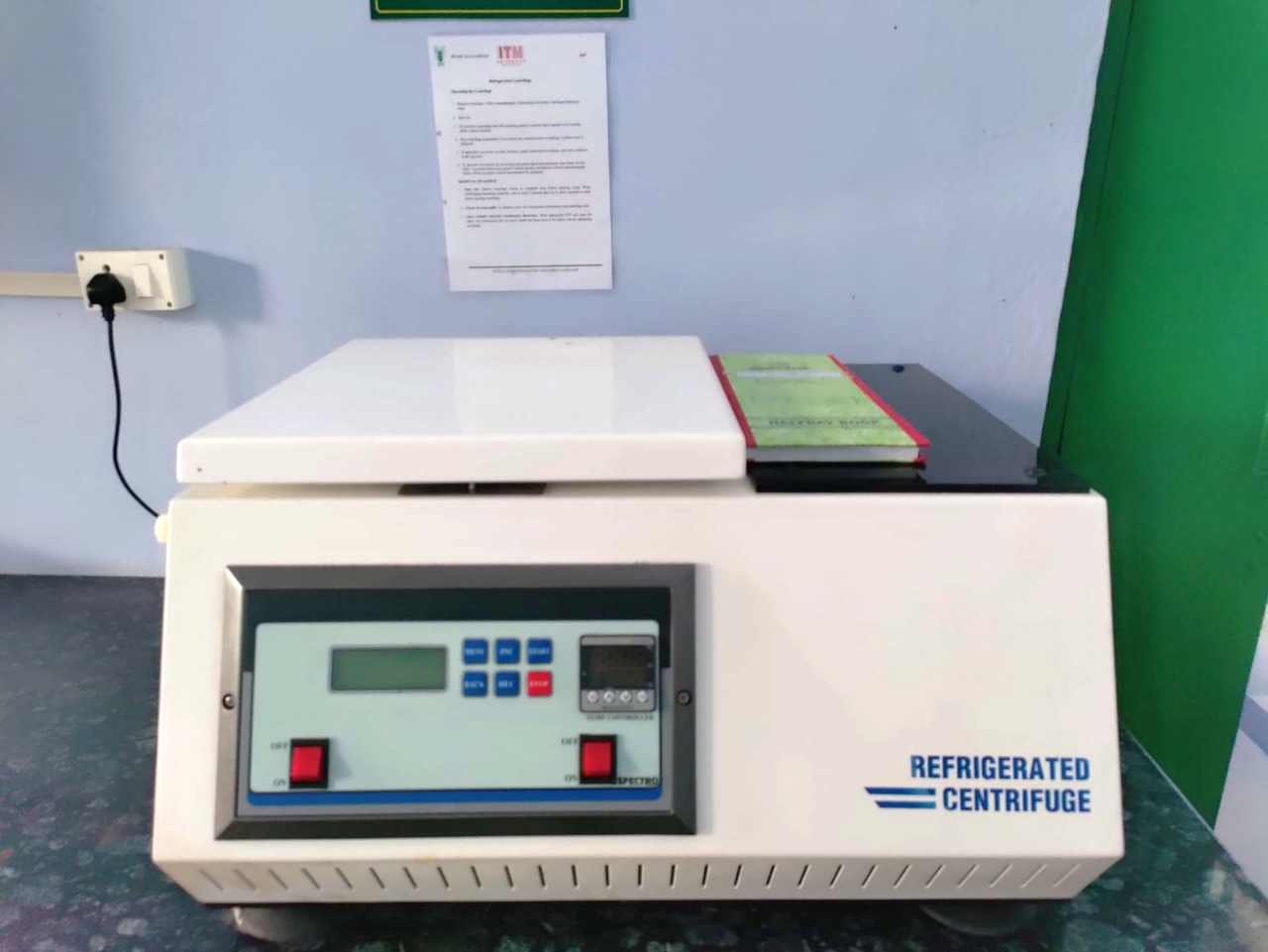
A refrigerated centrifuge is a laboratory instrument used to separate components of a sample based on density while maintaining a low temperature. It works by spinning samples at high speed, generating centrifugal force that separates particles like cells, proteins, or nucleic acids. The built-in cooling system prevents heat-sensitive samples from degradation during the process. It is widely used in biochemistry, molecular biology, and clinical laboratories for sample purification and analysis.
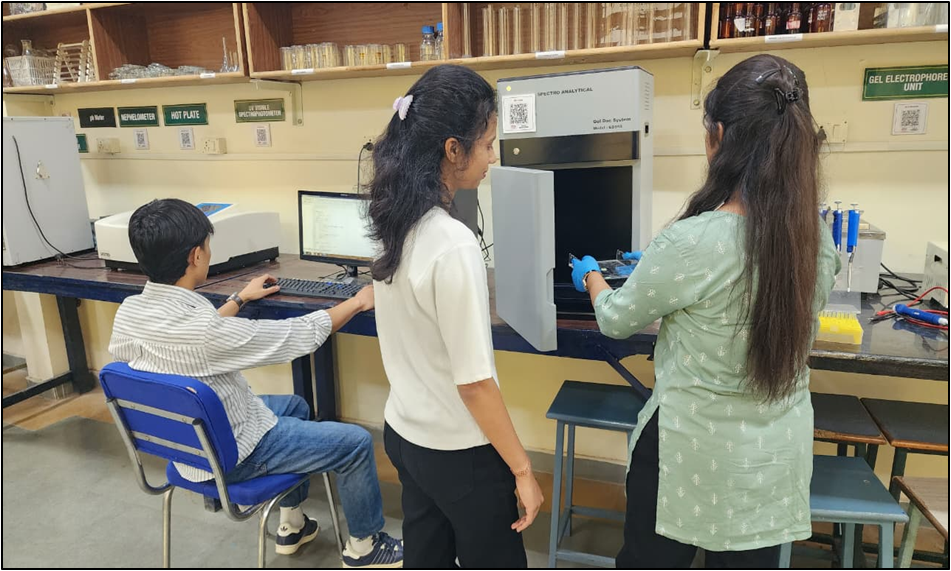
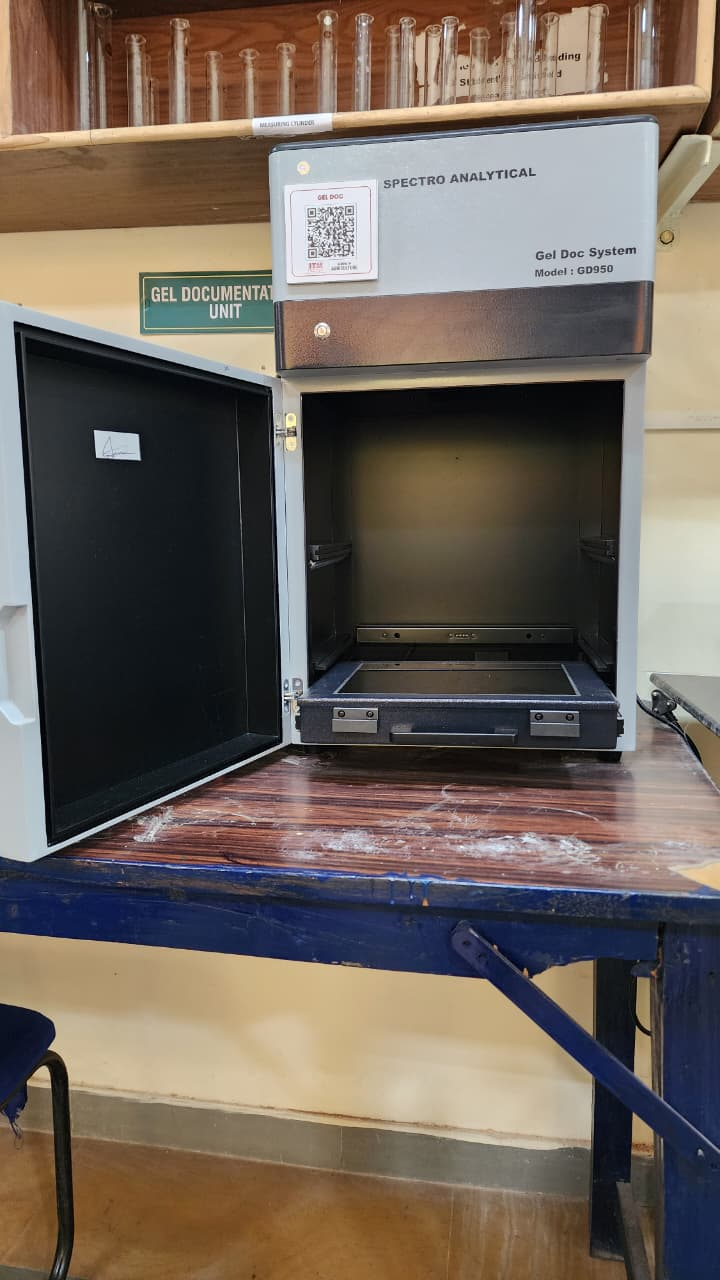
A gel documentation system is a laboratory instrument used to visualize, capture, and analyze images of DNA, RNA, or protein bands after gel electrophoresis. It typically consists of a UV or blue light transilluminator, a high-resolution camera, and image analysis software. The system allows researchers to document results and measure band intensity accurately. It is widely used in molecular biology and biotechnology labs for recording and analyzing electrophoresis results.
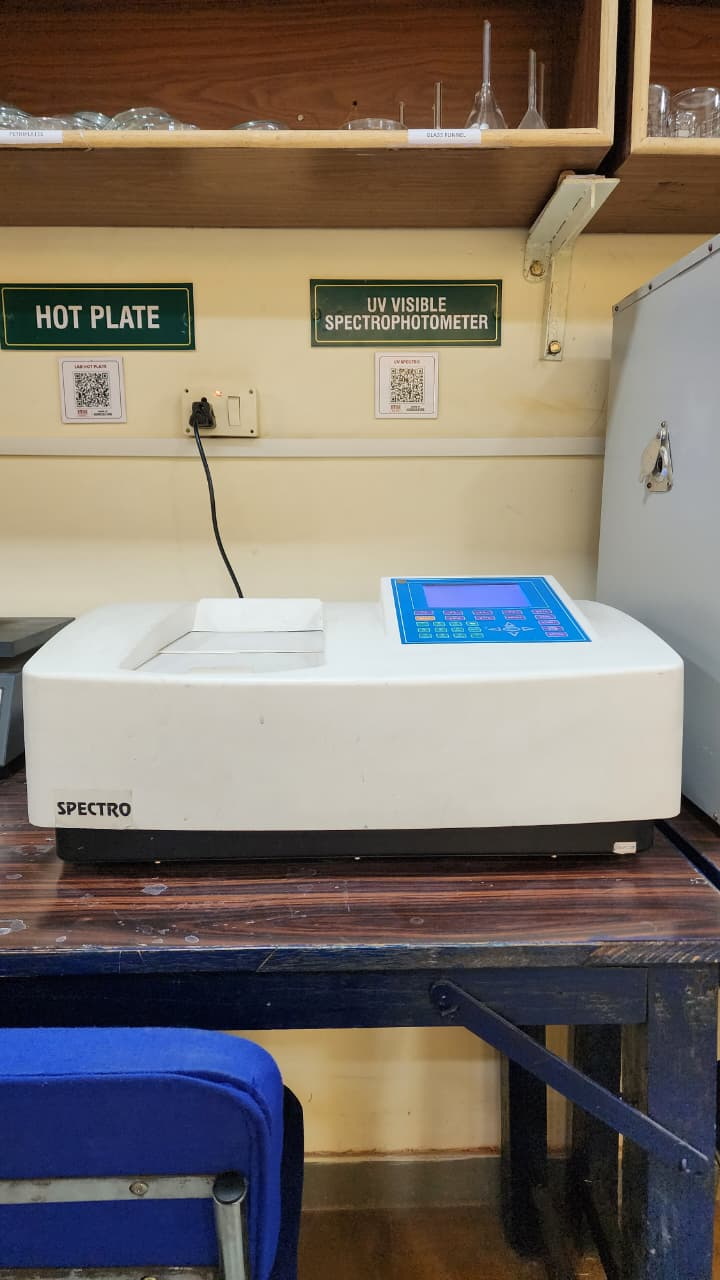
A UV–Visible spectrophotometer is an analytical instrument used to measure the absorption of ultraviolet and visible light by a sample. It works by passing light of specific wavelengths through the sample and detecting the amount of light absorbed, which is related to concentration. The instrument consists of a light source, monochromator, sample holder, and detector. It is widely used in chemistry and biology labs for quantitative analysis of compounds.
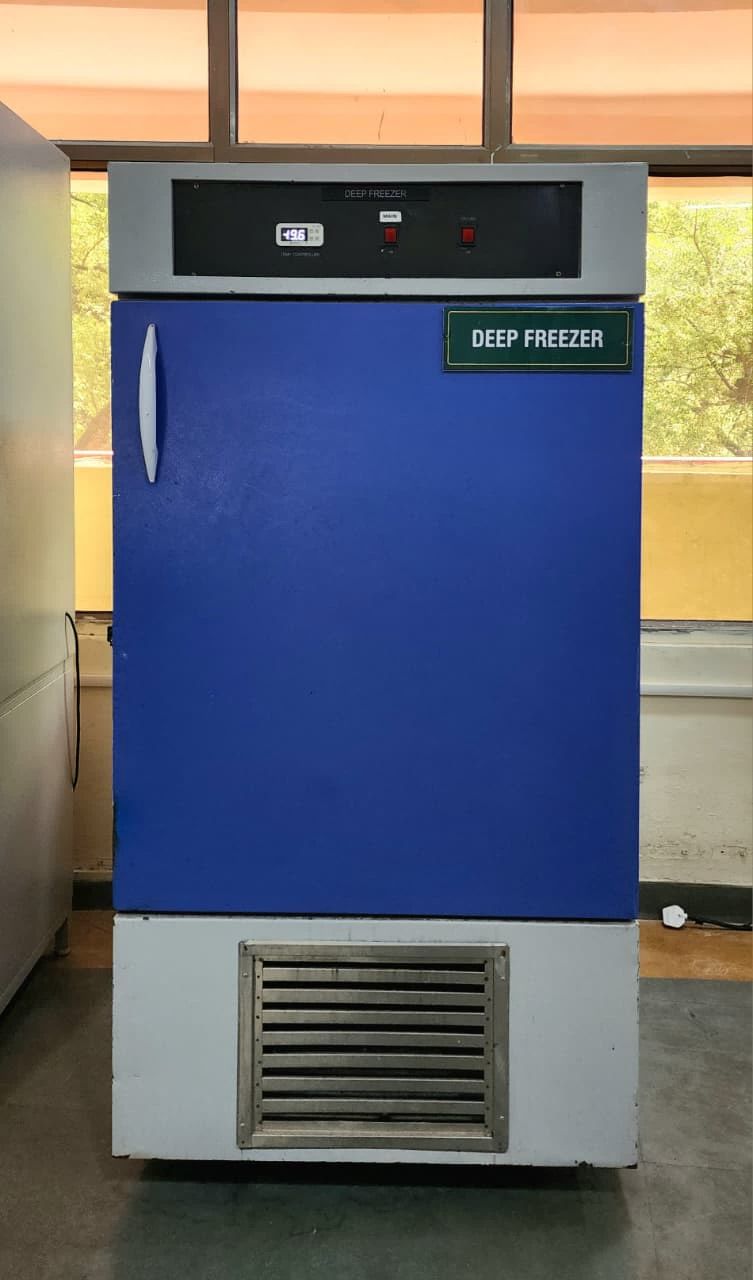
A deep freezer (−20 °C) is a laboratory storage unit used to preserve biological samples, chemicals, and reagents at low temperatures. It maintains a constant temperature of around −20 °C to slow down enzymatic and microbial activity. This helps in preventing degradation of samples such as enzymes, DNA, and vaccines. It is commonly used in research laboratories, hospitals, and pharmaceutical facilities for safe long-term storage.