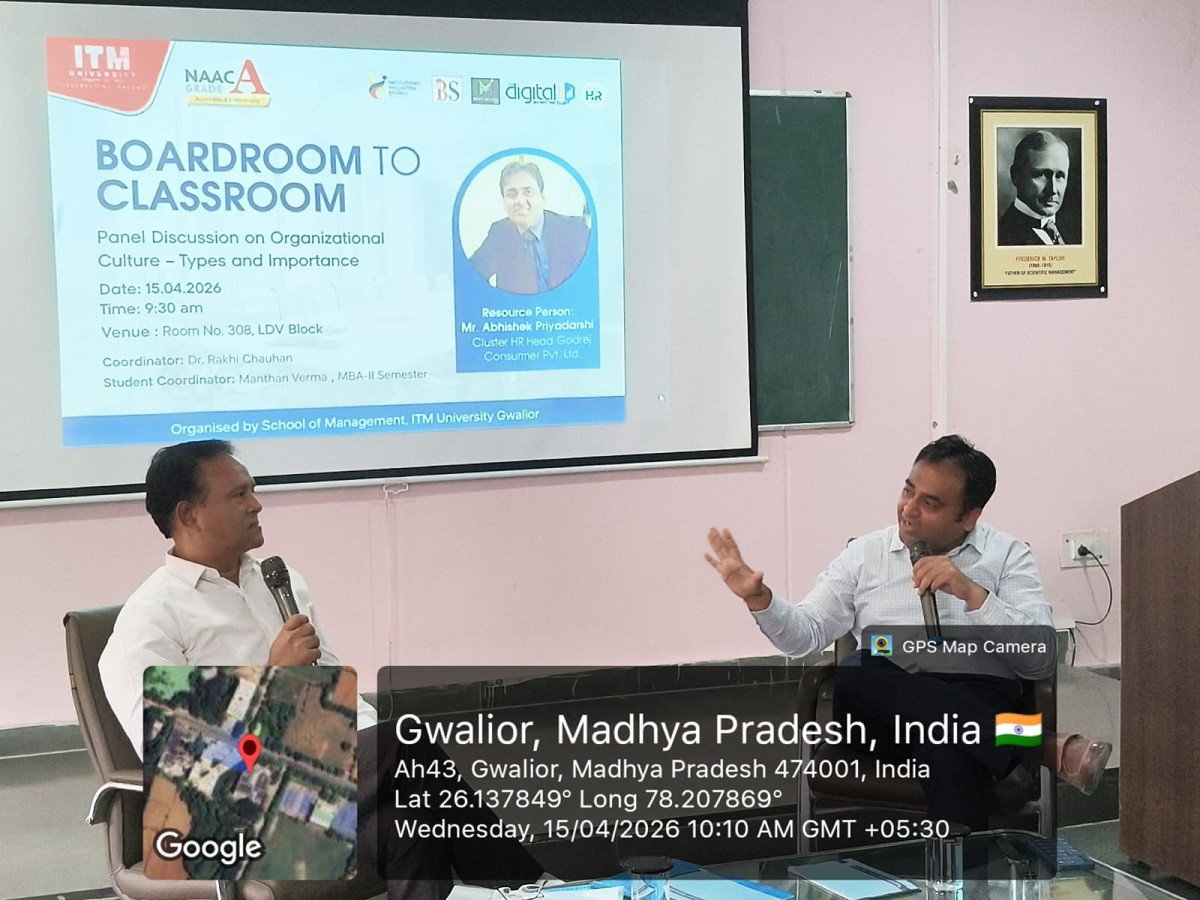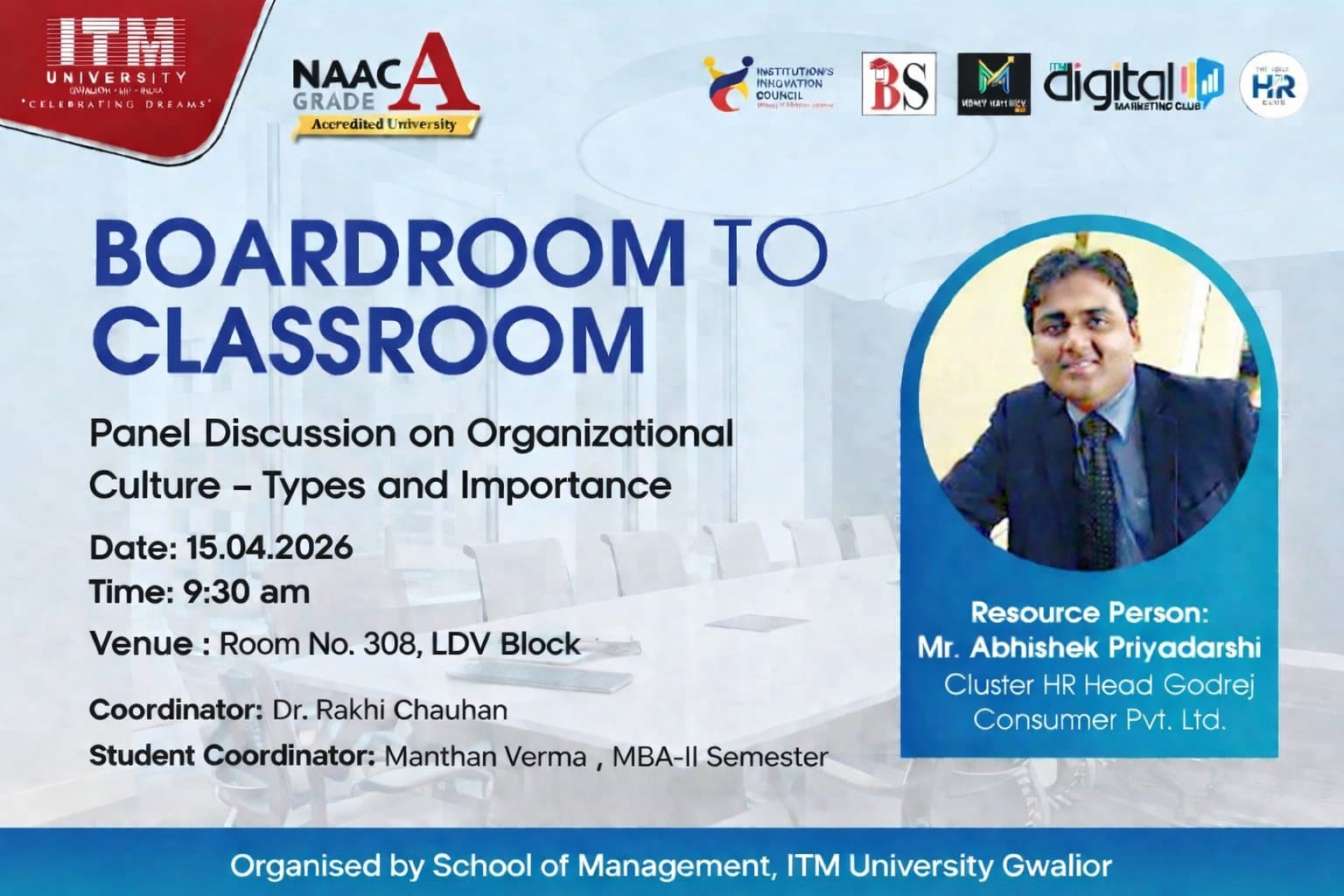
The “Boardroom to Classroom” Lecture Series is a regular academic initiative organized by the School of Management every Saturday with the objective of bringing industry expertise directly into the classroom. The program creates a meaningful interface between academia and industry, helping MBA students understand real-world business dynamics beyond textbooks.

Under this initiative, senior industry professionals and domain experts from areas such as Finance, Human Resource Management, Marketing, Operations, and Entrepreneurship visit the campus to interact with students through guest lectures, workshops, and interactive sessions.

These interactions provide students with insights into contemporary industry practices, emerging trends, leadership challenges, and strategic decision‑making. Experts share first‑hand experiences and real business cases, enabling students to connect theoretical knowledge with practical applications.

Dr. Rakhi Chauhan,

Event Coordinator, School of Management

rakhichauhan.som@itmuniversity.ac.in

The lecture series significantly helps in bridging the gap between management theory and industry practice. Students benefit from learning directly from experienced professionals, gaining exposure to practical perspectives of the corporate world. So far, the School of Management has successfully conducted 12 sessions under this series with participation from eminent professionals across different sectors.

Objectives of the Lecture Series

  • To bridge the gap between academic learning and industry practices.
  • To expose students to real-world business challenges and decision‑making environments.
  • To provide industry perspectives on management concepts and strategies.
  • To enhance industry–academia collaboration and networking opportunities.
  • To encourage experiential learning and practical thinking among students.
  • To develop industry‑relevant skills such as problem‑solving, analytical thinking, and professional communication.
  • To inspire students through career journeys and leadership experiences shared by professionals.
  • To promote innovation, entrepreneurship, and strategic thinking among future managers.

Key Learning Outcomes

  • Understanding current industry trends, challenges, and opportunities.
  • Developing practical insights into managerial decision‑making and leadership practices.
  • Strengthening critical thinking and problem‑solving abilities through real case discussions.
  • Gaining exposure to corporate culture, professional expectations, and ethical practices.
  • Enhancing employability and career awareness.
  • Building professional networking opportunities with industry leaders.
  • Applying theoretical frameworks to real business situations.
  • Developing a holistic understanding of business operations across different domains.

Alignment with Sustainable Development Goals (SDGs)

SDG 4
Quality Education

The lecture series enhances the relevance and quality of management education by integrating industry expertise with classroom learning.

SDG 8
Decent Work & Economic Growth

Through exposure to industry practices and skill development, the initiative prepares students for meaningful employment and contributes to building a skilled workforce.

SDG 9
Industry, Innovation & Infrastructure

The program strengthens industry–academia collaboration and encourages innovative thinking among management students.

SDG 17
Partnerships for the Goals

The initiative promotes partnerships between academic institutions and industry professionals to facilitate knowledge exchange and collaborative development.

Our Industry Experts

01
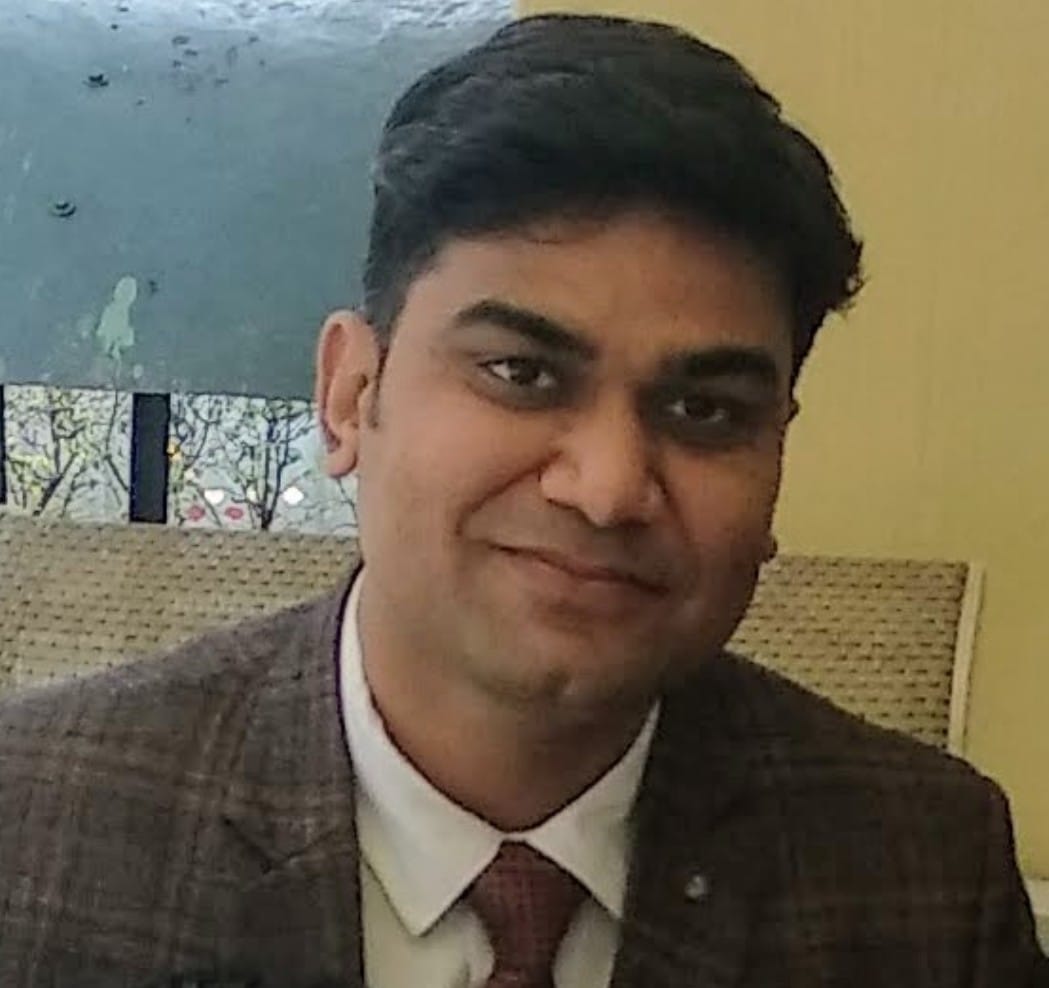
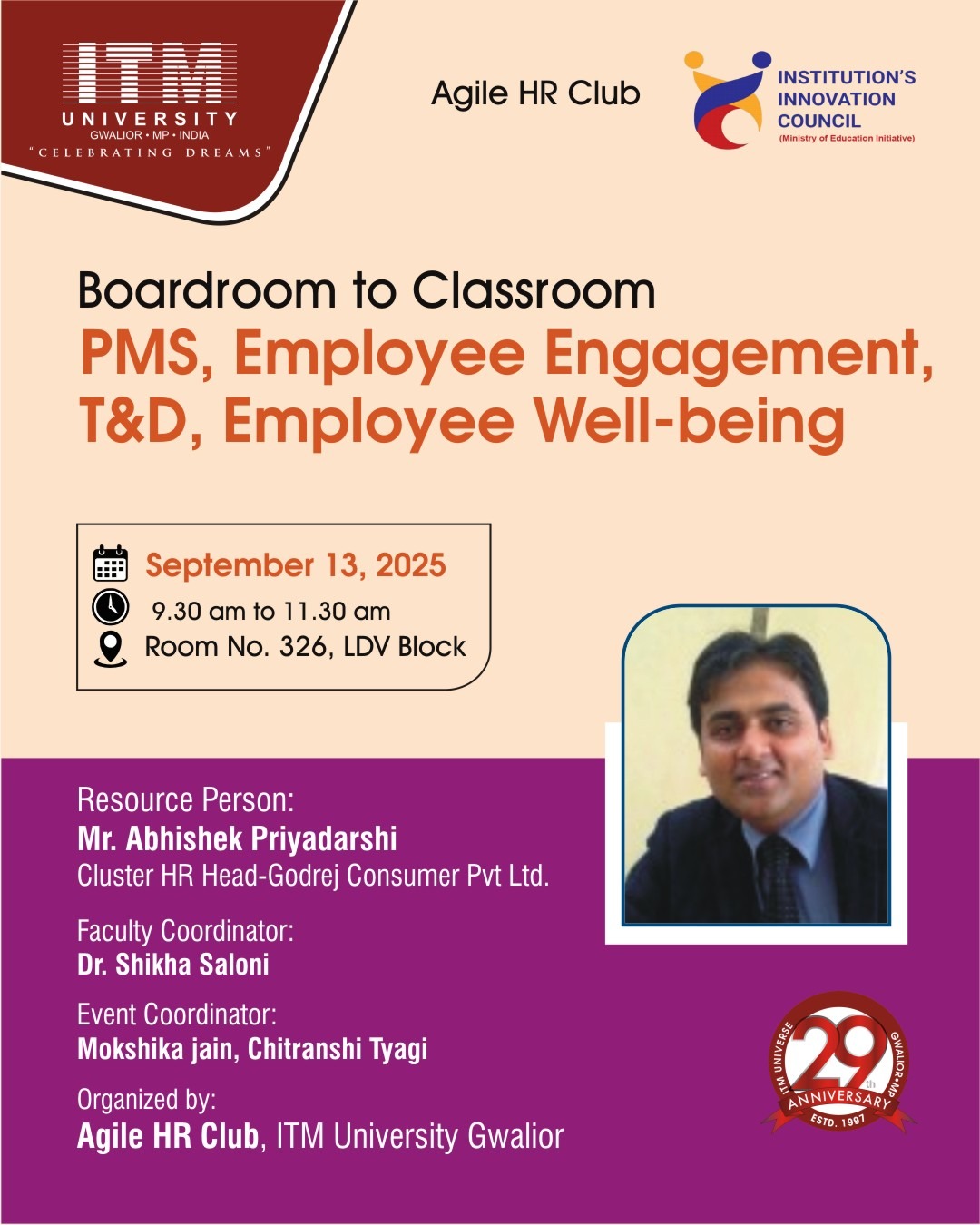
Mr. Abhishek Priyadarshi

Cluster HR Head

Godrej Consumer Products Pvt. Ltd.

02
Mr. Santosh Pathak

Associate Vice President – HR & Admin

SRF Limited

03
CA Vijay Rajawat

Chief Manager, Finance & Accounts

JK Tyre & Industries

Selected Questions Asked by Students

Exploring Organizational Culture, Leadership & HR Insights

In an organisation with a strong culture, how do we distinguish between genuine alignment and silent conformity? What mechanisms ensure that innovation is not suppressed in the name of cultural fit?

How to survive in a rigid organizational culture?

How does the team respond when someone makes mistakes or fails in organizational culture?

If you are the group leader of a 10‑member team, how should you arrange and guide team members to make effective decisions?

How does your organization ensure that its culture is not just defined at the top level but actually practiced by employees at all levels?

How do you ensure organizational culture is actually practiced, not just written?

How do you determine factors that negatively impact an organization, and how often do managers face such challenges?

What are the biggest challenges you currently face in managing employee engagement and how are you addressing them?

How can a company bridge the gap between its stated corporate values and the behaviors that are actually rewarded with promotions?

How do employees typically respond to organizational changes and what techniques help in managing resistance?

How do we evaluate job descriptions or roles offered by companies and decide which role is suitable to apply for?

How can we research about the organizational culture of a company before applying for a job?

What soft skills or behavioural traits do you value most in MBA graduates?

If a team member is highly talented but arrogant, how should the situation be handled?

As a team leader, if the team is not meeting deadlines, what steps should be taken?

As a team leader, if the team is not meeting deadlines, what steps should be taken?

How can organizational culture be reshaped to embrace change without destroying employee morale?

What advice would you give to students entering organizations for the first time?

How does an employee’s attitude influence their motivation more – internal mindset or organizational culture?

What are one or two best practices of organizational culture with practical examples that HR can implement?

What courses and skills are most useful for building a career in the HR field?

As an HR manager, how can we handle employee protests and prevent such situations in the future?

Photo Gallery of Student Questions

Upcoming Conferences
Register here for scholarship. - Apply Now